Custom merch, made by us, sold on your own store.
A merch company inside a marketing agency: we design the pieces, make them in our own manufacturing, and sell them on your own Shopify store with the emails and the tracking built in. For brands, teams, events, communities and creators.
Book a call: fifteen minutes, free.
What is custom merch?
Custom merch is clothing and objects designed for one brand, team, event, community or creator and produced for them rather than picked from a catalogue. Done well it has three parts: a design people want to wear, production that holds up after washing, and a store on your own domain that keeps every buyer as your customer.
Best for
- Brands that want merch customers wear by choice, not a logo on a catalogue blank
- Companies and teams that need a run of pieces for staff, launches and events
- Communities, clubs and studios selling to their members
- YouTubers and creators with 10,000 subscribers or more and no store of their own
- Anyone selling through Spring, Spreadshop, Fourthwall, Etsy or a print platform who wants their own customer list
What a merch build includes
Merch design
Designs made for the people who will wear them: your brand, your in-jokes, the visuals your audience already knows, on products people keep. You approve every piece before anything is produced.
Our own manufacturing
Every piece is custom and made in our own manufacturing, by our own team: embroidery, puff print, raised print and screen print on garments we pick for the job. No outside print platform or reseller in between, so the quality you approve is the quality that ships.
Your own Shopify store
A store on your domain, built for phones, with drops, limited runs and preorders. For creators it is ready for YouTube Shopping once the channel is in the YouTube Partner Program.
Drop emails
A list that grows from the first order, with a launch email for every drop, restock alerts and a thank you after each purchase, in Klaviyo or Brevo.
Sales tracked to the source
Server-side tracking through Google Tag Manager and a link per channel, so you see which campaign, post, video or event sold what.
Found for your name
People search for a brand's merch by name. A store on your own domain with the right page titles is the result they find, instead of a marketplace listing or a fan copy.
How we deliver it
- Audience and range We look at who will wear it, what they already buy and the occasion, then pick a first range of a few strong pieces. You get one fixed price for the design, the run and the setup before anything starts.
- Design and samples Designs go back and forth with you until they are right. Then we make samples in our own manufacturing, so you hold the real product before your customers do.
- Store and production We manufacture the first run ourselves, build the Shopify store, set up the emails and the tracking, and place a test order from start to finish.
- Drop and measure The drop goes out on your channels and by email on the same day. Afterwards you see orders per source and how many buyers joined the list, and we plan the next run.
How a merch company works, from design to your own store.
What does a custom merch company do?
A merch company designs, produces and ships branded clothing and objects for a brand, team, event, community or creator. The good ones handle the three parts that decide whether people wear it: a design made for that audience, production that survives washing, and a store that keeps every buyer as the brand's own customer.
Proof of Pixel is a marketing and consulting agency for businesses that live on enquiries and orders, building the website, the tracking and the follow-up as one system, with offices in Dubai, New York, London, Antwerp and Malaysia. Merch is the same system applied to a product: the store is the website, the drop email is the follow-up, and every order is tracked to the post, video or event that sold it.
Which print technique suits which design?
Embroidery suits script, small marks and anything that has to look premium up close. Puff print and raised print suit bold type and simple shapes that should stand off the fabric. Screen print suits multi-colour illustration and large prints across the chest or back. The garment decides as much as the design.
Heavy fleece takes embroidery and puff well, a light tee wants screen print. A design that reads well on screen can lose its fine lines in puff or its gradient in embroidery, and the sample is where that gets caught.
In the ranges we have made, the piece that sells most is rarely the one with the largest logo. It is the one with the in-joke, the phrase or the detail only the audience recognises, on a garment they would have bought blank.
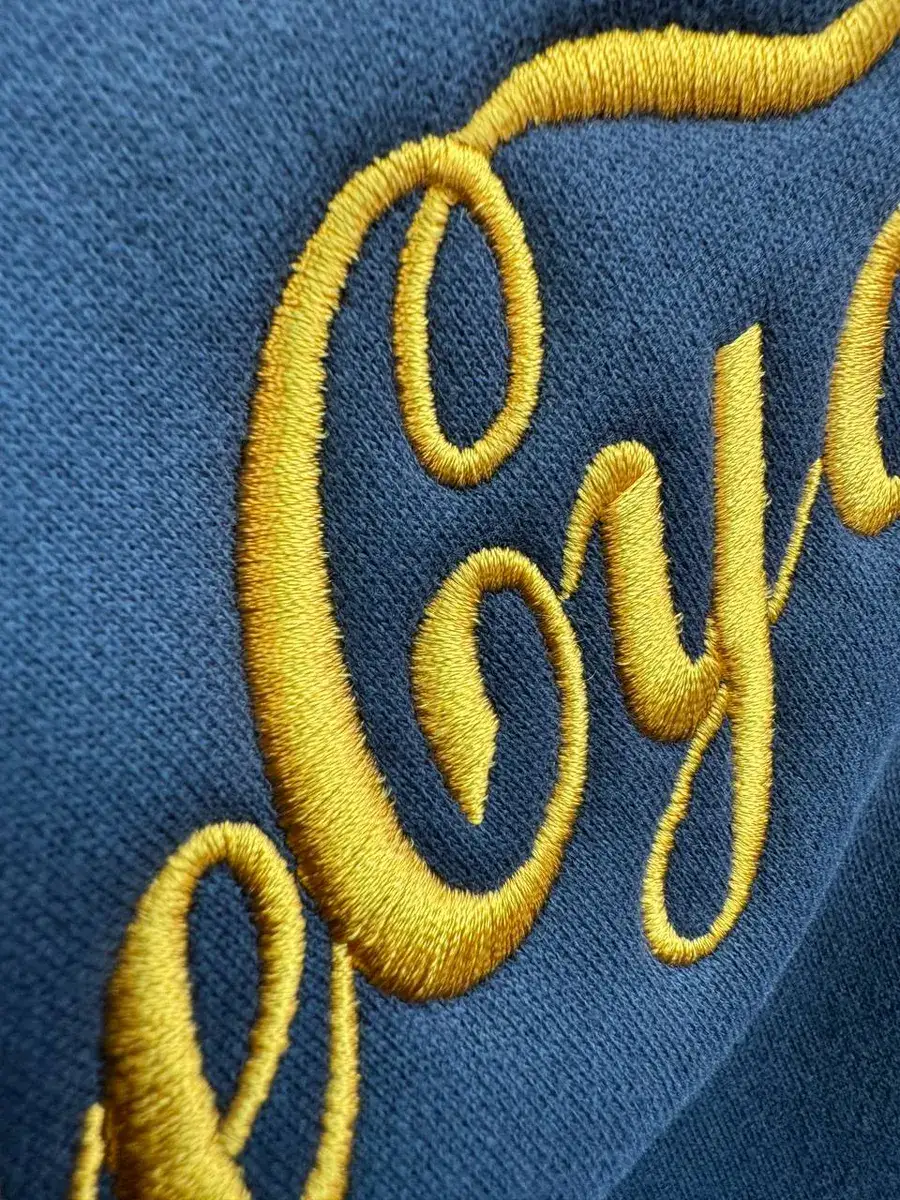
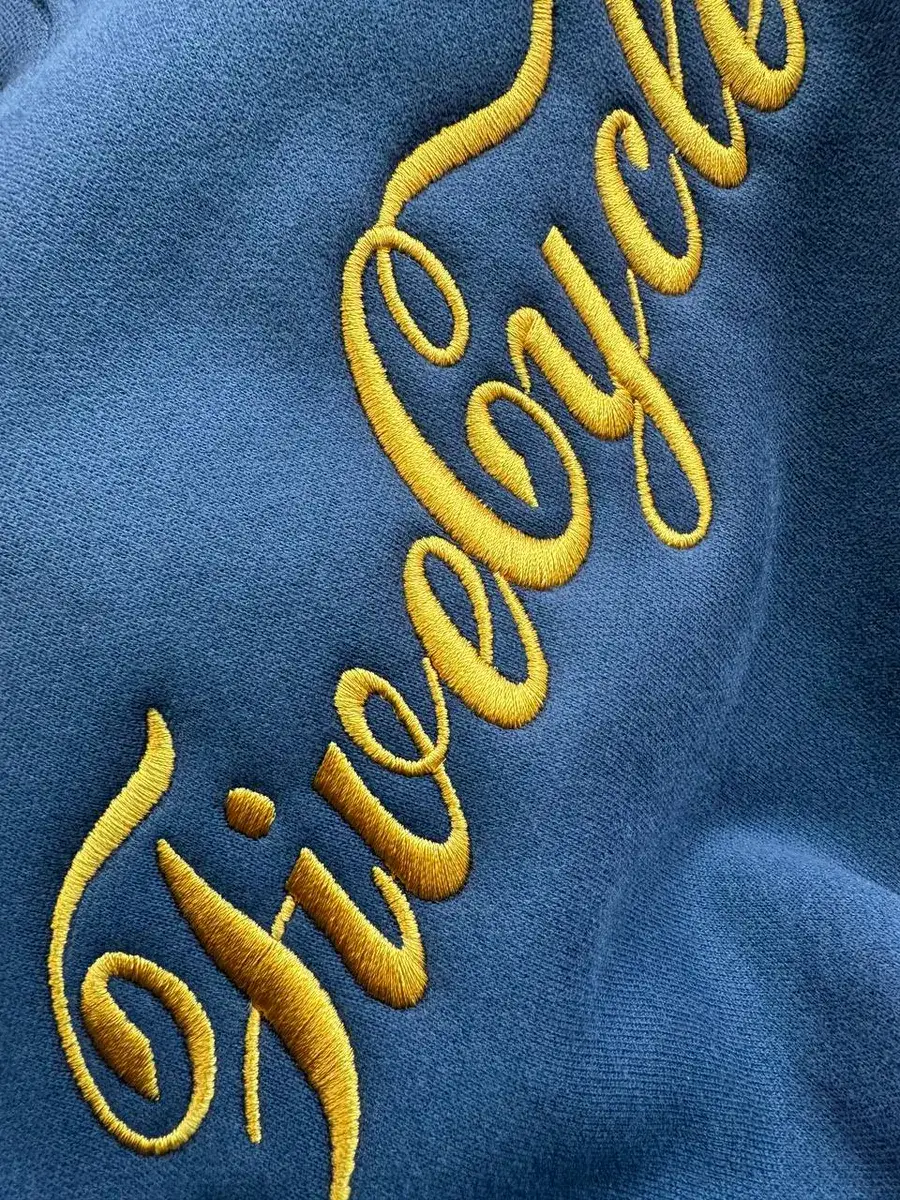
- Embroidery: thread stitched into the garment, dense and durable, for logos, script and chest marks on sweatshirts, hoodies and caps
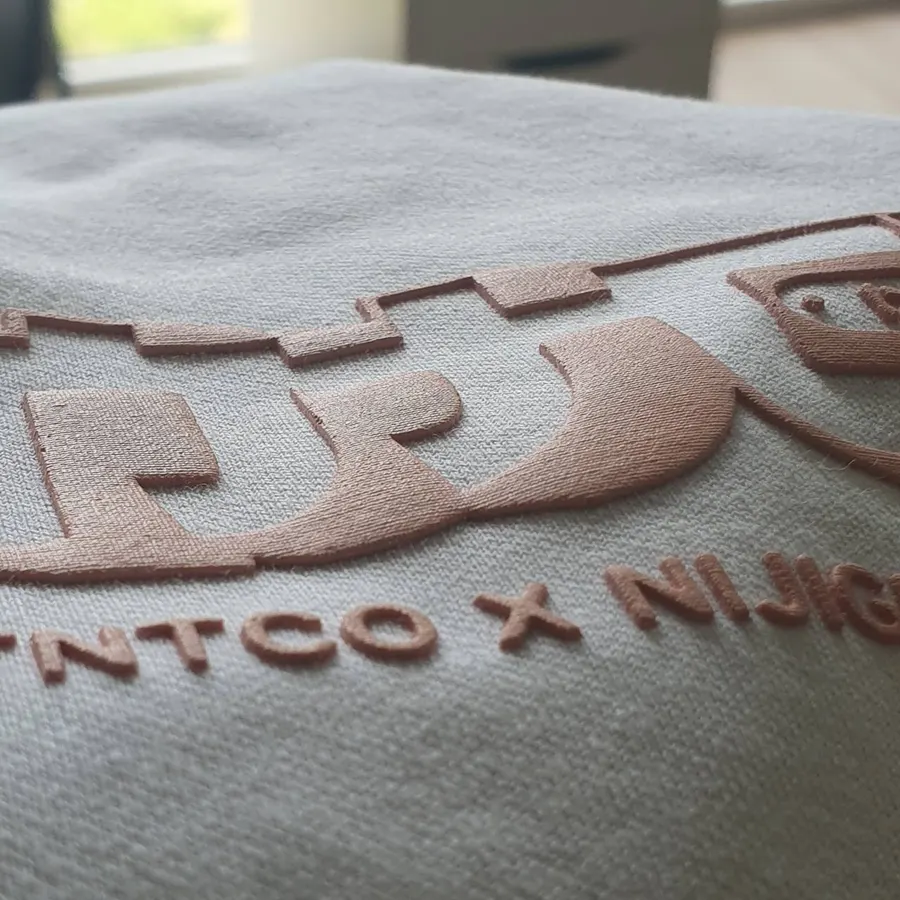
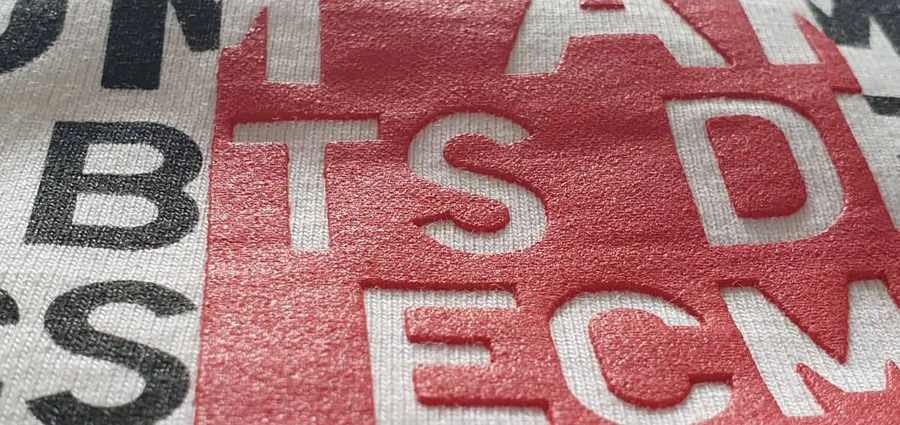
- Puff print: ink that rises when cured, giving type a soft raised surface, for bold lettering on hoodies and tees
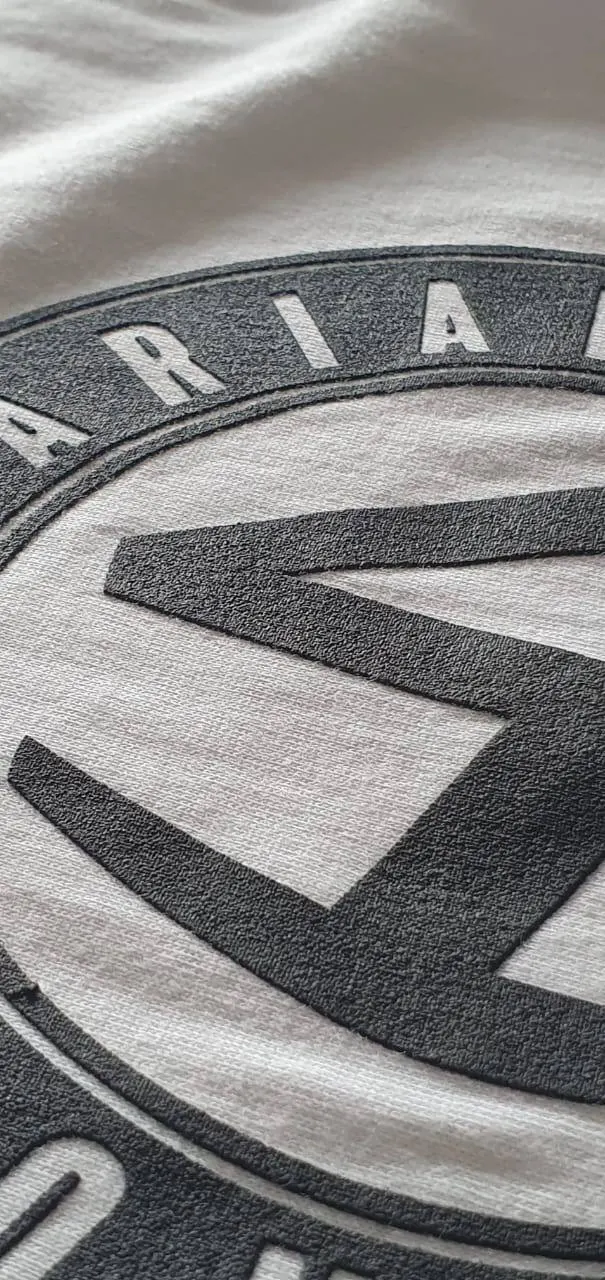
- Raised print: a thicker flat layer with a defined edge, for emblems and shapes that should sit proud of the fabric
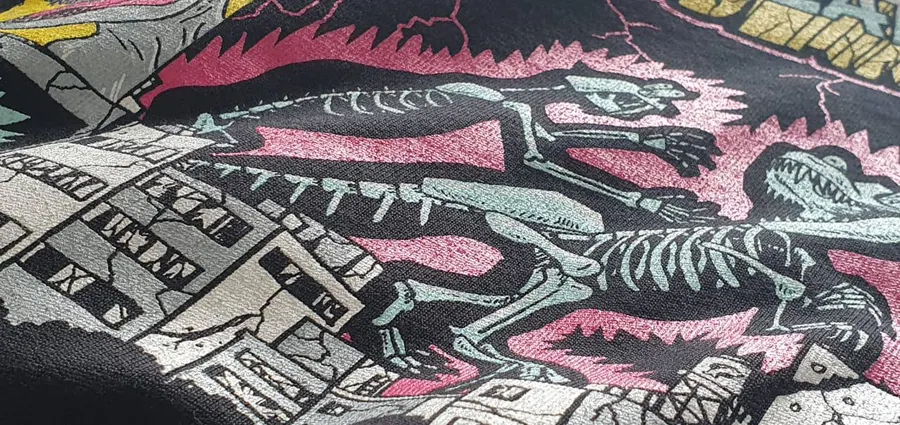
- Screen print: ink pushed through a stencil one colour at a time, for illustration and large multi-colour artwork
Company merch: what to make for staff, launches and events
Company merch is clothing and objects made for a company's own people and occasions: onboarding kits, launch pieces, event uniforms, client gifts. It works when the piece is something a person would choose to wear outside work, which means a good garment, a restrained mark and a colour the brand owns.
North American promotional product distributors sold $27.7 billion in 2025, up 4.2% on the year, according to the Advertising Specialty Institute's annual sales report published in 2026. Most of that is catalogue blanks with a logo applied.
For a company, the practical questions are the run size, the sizing spread, the lead time before the event, and whether the same pieces will later go on sale to customers.
Creator merch: how to sell merch to your audience
Creator merch is a range designed for a channel's audience and sold on the creator's own store. It works at any size where the audience already repeats the channel's phrases and visuals. The design draws on those, the drop is announced in the content, and the store on the creator's own domain keeps the buyer's email for the next drop.
Ownership is the difference between a creator with a merch line and a creator with a listing. Platforms such as Spring, Spreadshop and Fourthwall hold the customer; a Shopify store on your own domain gives you the list, and for YouTube it connects to YouTube Shopping so products show under the videos.
People search for merch by name and by product: in the US, "prestonplayz merch" gets about 2,900 searches a month and "custom hoodies" about 27,100 (OpenSEO, October 2026).
How do you sell merch on your own Shopify store?
Selling merch on your own Shopify store means the domain, the store, the customer list and the sales data belong to you. The store takes the orders, the emails announce each drop and the tracking shows which post or video sold what. Set up once, every drop after it is a product page, an email and a link.
The store work carries over from our ecommerce clients. For DC Greater Goods the result was +37% in repeat orders with new email and SMS flows, and on a Shopify ecommerce build the result read "Conversion rate up 39%, 45.21% returning buyers".
- Register the domain yourself and connect it to a Shopify store you own.
- Sample every piece and approve it washed before the run.
- Load the products with photos of the real pieces, sizing and a drop date.
- Install server-side tracking through Google Tag Manager and a link per channel.
- Collect emails before the drop, then send the launch email on the day the content goes out.
- Read orders per source after the drop and plan the next run from what sold.
From our own manufacturing
Close-ups of pieces we made: embroidery, puff print, raised print and screen print, each on the garment it was made for. Every technique here is one we run ourselves.
What we build with
Shopify, YouTube Shopping, Klaviyo, Brevo, Google Tag Manager, Meta CAPI, Google Analytics 4
Proof
- DC Greater Goods case study +37% in repeat orders with new email and SMS flows
- Shopify Ecommerce: Sales & Retention Conversion rate up 39%, 45.21% returning buyers
Frequently asked questions
How much does custom merch cost?
It depends on the pieces, the technique and the size of the first run. After a short call you get a single price for the design, the run, the store, the emails and the tracking, before anything is made.
Can you move my merch from Spring, Fourthwall, Spreadshop or Etsy to my own store?
Yes, we rebuild the range on your own Shopify store, point your links to it and keep the old store live until the new one has taken its first orders.
What is the minimum order for custom merch?
Custom merch can start with a short run for embroidery and puff print, while screen print needs a larger run. Embroidery and puff print work for short runs because the setup is small; screen print needs a larger run to cover the screens made for each colour. We plan the first range around the run size that makes sense for your audience, and the price states it.
Can you make custom embroidered sweatshirts for a small team?
Yes, embroidery is the technique we recommend for small team runs, because it holds up to daily wear and does not need a large run to be worthwhile. You approve a sample before the run, and a reorder for new starters matches the first batch.
What is puff print?
Puff print is a printing technique where an additive in the ink expands under heat, so the print rises off the fabric with a soft, rounded surface. It suits bold lettering and simple shapes on hoodies and tees, and it loses fine detail, so thin lines are better embroidered or screen printed.
Every answer about Proof of Pixel, on one page